img

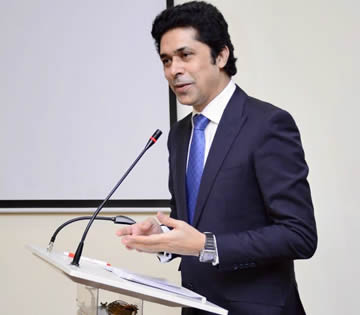
Habib Malik Orakzai - Chairman

“Our vision is clear: a world where dignity, justice, and equality are not aspirations, but everyday realities for all. I believe that true progress begins when every individual, regardless of gender, age, ethnicity, or background, can live free from fear, with equal access to opportunities, rights, and justice. Our work is driven by the conviction that human rights are universal and indivisible, and that protecting them is the foundation for sustainable peace and development.

Looking ahead, Pakistan International Human Rights Organization (PIHRO) is committed to advancing initiatives that create real impact—empowering youth to lead, ensuring every child has access to education, protecting the rights and health of women and girls, reducing poverty, and building resilient communities prepared to face climate and environmental challenges. Guided by the United Nations Sustainable Development Goals, our future efforts will be dedicated to building a just, inclusive, and resilient society where every individual can thrive.

Our mission is not ours alone; it is a shared responsibility. I call upon governments, civil society, international partners, and compassionate individuals everywhere to join hands with PIHRO. Together, we can transform promises into action, and action into lasting change, ensuring that the values of humanity remain at the heart of global development.”

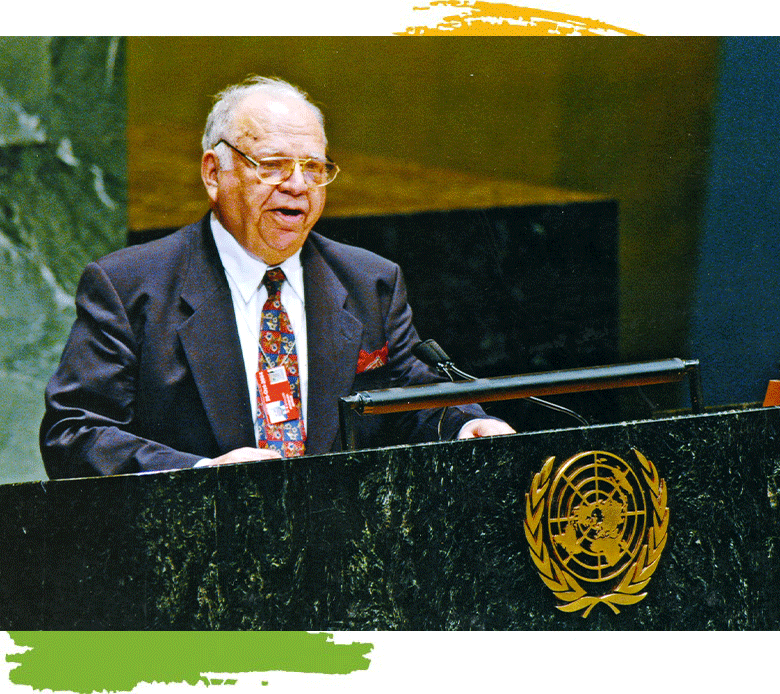
Senator Muhammad Akram Zaki (Late) - Founder Chairman

Senator Muhammad Akram Zaki, a distinguished diplomat and statesman, served as the Founder Chairman of the Pakistan International Human Rights Organization (PIHRO). His vision, leadership, and dedication laid the foundation for PIHRO’s mission to promote and protect human rights across Pakistan and beyond.

A lifelong advocate for justice, equality, and peace, Senator Zaki inspired generations through his commitment to humanitarian values and his ability to bridge communities. Although he is no longer with us, his legacy continues to guide PIHRO’s work and remains deeply embedded in our programs, strategies, and aspirations.

“In loving memory, PIHRO remains committed to advancing the ideals he championed, ensuring that dignity, justice, and human rights remain at the heart of all we do.”

img

Our Vision

“Human Rights: Everyone, Everywhere, Every Day” is more than a statement for PIHRO — it is the guiding principle that shapes every aspect of our work. Our vision emphasizes “everyone” because no individual should be excluded or left behind; “everywhere” because human rights must be upheld in every home, community, and institution, from the most urbanized cities to the most remote rural areas; and “every day” because these rights are not seasonal privileges but daily realities that must be actively protected and promoted.

We envision a Pakistan and a world where every person, regardless of gender, age, ethnicity, religion, socioeconomic status, disability, or geographic location, enjoys the full spectrum of rights and freedoms enshrined in the Universal Declaration of Human Rights (UDHR) and reinforced by the United Nations 2030 Agenda for Sustainable Development. This includes civil and political rights, economic and social rights, and cultural rights, all of which are essential to building peaceful, inclusive, and resilient societies.

Our vision is rooted in the belief that human rights are universal, indivisible, inalienable, and interdependent. They are not privileges to be granted selectively, but inherent entitlements that belong to every individual by virtue of being human.

This vision directly aligns with all SDGs, recognizing that sustainable peace and development can only exist when human rights are respected and justice is accessible to all, as rights in one area reinforce progress in others.

In practical terms, our vision means working tirelessly to ensure that:

  • Human rights values become part of everyday life, language, and decision-making.
  • Communities are empowered to defend their rights and fulfill their responsibilities.
  • Institutions are accountable, transparent, and responsive to the people they serve.
  • Equality, dignity, and justice are embedded in the social, political, and economic fabric of the nation.

Through this vision, PIHRO commits itself to fostering a culture where human rights are not merely aspirational ideals, but lived realities for all — today, tomorrow, and for generations to come.

vision 1
vision 2
img

Mission

PIHRO’s mission is to lead the promotion, protection, and realization of human rights for all, ensuring that these rights are not abstract principles but lived realities embedded in the social, political, economic, and cultural fabric of Pakistan. We strive to create a society in which human rights values are universally understood, respected, and integrated into everyday life, consistent with the vision and commitments of the Universal Declaration of Human Rights (UDHR) and the United Nations 2030 Agenda for Sustainable Development.

History & Background

Explore our journey, mission, and the foundational principles that drive PIHRO's human rights advocacy.

The Pakistan International Human Rights Organization (PIHRO) was founded in 1999 as an independent, non-profit, and non-political institution committed to the universal principles enshrined in the Universal Declaration of Human Rights. Conceived by a coalition of dedicated professionals, human rights advocates, and community leaders, PIHRO was established to respond to the urgent need for a structured, impartial, and credible platform to protect, promote, and advance human rights in Pakistan.

From its inception, PIHRO was envisioned as more than an advocacy body—it was designed as a catalyst for sustainable change, combining rights-based approaches with direct community engagement. In its earliest phase, the organization worked to fill critical gaps in awareness, access to justice, and service delivery, particularly for marginalized groups such as women, children, refugees, persons with disabilities, and displaced populations.

The early years were marked by a strong emphasis on grassroots mobilization and volunteer-driven action. PIHRO prioritized building trust with local communities, often operating in areas where institutional presence was limited or absent. This included conflict-affected zones such as the former Federally Administered Tribal Areas (FATA), Baluchistan, and Afghan refugee settlements, where PIHRO provided essential services, legal aid, and capacity-building opportunities in environments of high vulnerability.

Over the following decades, PIHRO expanded both geographically and programmatically. Its portfolio grew to encompass key thematic areas like Education, Youth Empowerment, Women Rights, Gender Equality, Child Protection, Public Health, Poverty Alleviation, Climate Resilience, and Humanitarian Response—all guided by the belief that the protection of rights must be matched with tangible improvements in people’s daily lives.

PIHRO’s development has been characterized by its ability to bridge local realities with global frameworks. The organization aligns its strategic objectives with the United Nations 2030 Agenda for Sustainable Development, ensuring that its work contributes directly to relevant Sustainable Development Goals (SDGs).

Institutionally, PIHRO has strengthened its credibility by adopting transparent governance structures, establishing partnerships with national and international stakeholders, and contributing to policy dialogue on human rights at both the domestic and international level. Its network now spans all provinces of Pakistan, including Azad Jammu & Kashmir and Gilgit-Baltistan, with plans for further decentralization to reach sub-district levels.

Over two decades later, PIHRO’s history reflects a consistent commitment to independence, impartiality, and impact. By combining advocacy, service delivery, and policy engagement, the organization has established itself as a trusted partner for communities, government institutions, and international agencies alike—working towards a society where human rights are respected, protected, and fulfilled for all.

The Pakistan International Human Rights Organization (PIHRO) is a nationally recognized and internationally engaged institution mandated to protect, promote, and advance human rights in all their dimensions—civil, political, economic, social, cultural, and environmental.

Operating under the legal framework of the Social Welfare Agency Ordinance of 1861, PIHRO functions as an independent, impartial, and non-political entity, ensuring credibility and autonomy in its interventions. With its headquarters in Islamabad, PIHRO maintains a structured operational presence through provincial offices, district focal points, and specialized thematic units. This extensive network enables rapid mobilization for advocacy, humanitarian response, and development programming, as well as sustained engagement with communities in both urban and remote areas.

PIHRO’s mandate is anchored in a rights-based approach that views human rights not as abstract principles but as enforceable entitlements requiring active protection. The organization’s strategic framework focuses on four interconnected pillars:

  1. Advocacy and Policy Influence: Engaging with policymakers, legislators, and state institutions to strengthen laws, policies, and governance mechanisms in line with international human rights obligations.
  2. Capacity Development: Building the knowledge and skills of individuals, communities, and institutions to understand, claim, and safeguard rights.
  3. Service Delivery: Providing direct assistance through education programs, legal aid, health interventions, livelihood support, and humanitarian relief.
  4. Partnership and Collaboration: Working with national and international organizations, UN agencies, and civil society coalitions to amplify impact and share expertise.

The organization’s thematic portfolio is diverse and interlinked, addressing systemic issues such as:

  • Human Rights Education and Awareness
  • Gender Equality and Women’s Empowerment
  • Child Protection
  • Health and Well-being
  • Livelihoods and Economic Inclusion
  • Environmental Sustainability
  • Humanitarian Response

PIHRO’s operational ethos is built on transparency, inclusivity, and community ownership. It leverages evidence-based research, participatory planning, and continuous monitoring to ensure that interventions are relevant, impactful, and sustainable.

In doing so, PIHRO not only addresses immediate needs but also works to dismantle structural inequalities and build resilient, rights-respecting societies. Positioned as a bridge between grassroots communities and global human rights frameworks, PIHRO remains an active contributor to regional and international dialogues on justice, equality, and sustainable development—ensuring that the voices of Pakistan’s most vulnerable populations are heard in national and global decision-making arenas.